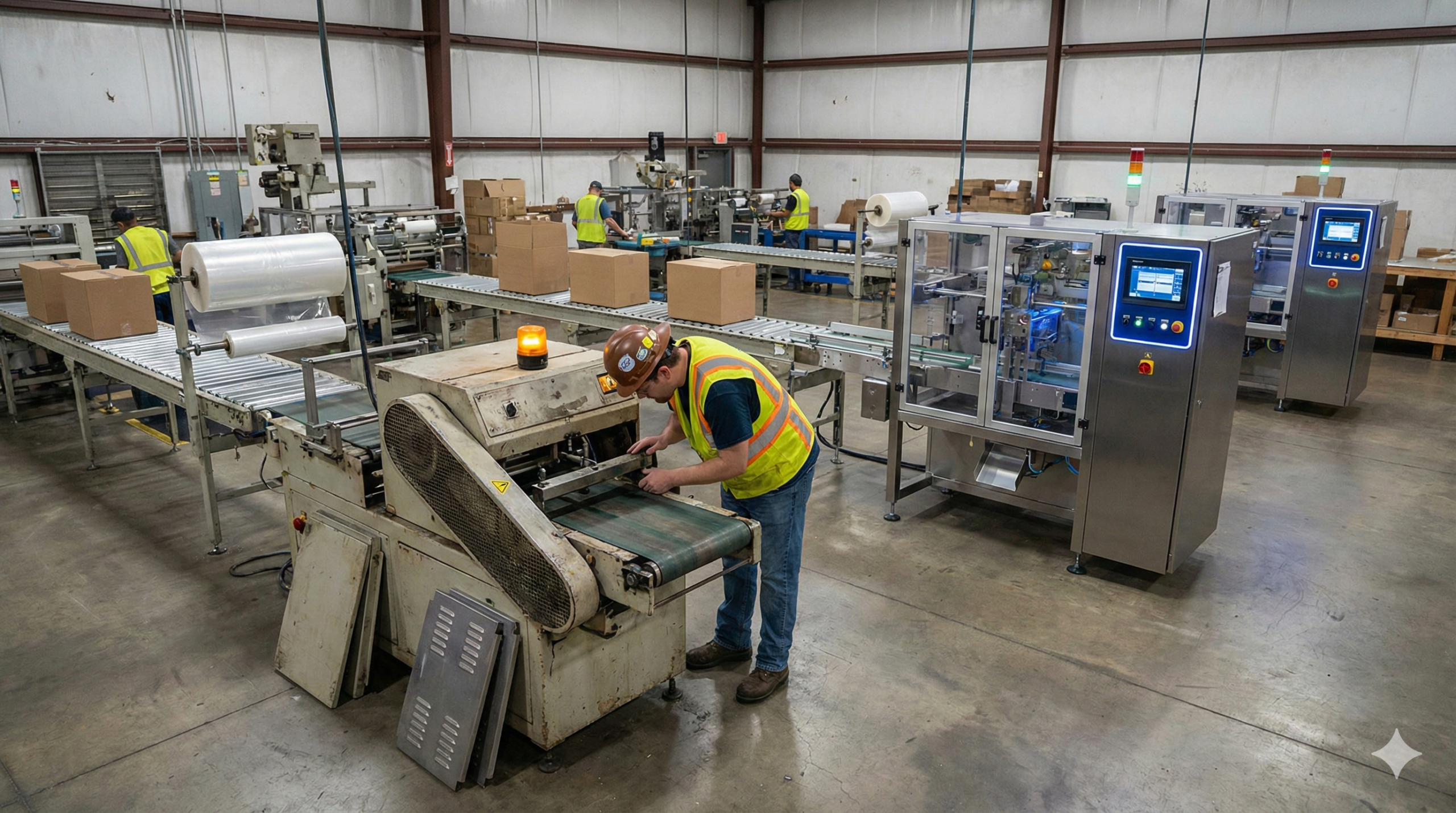
Introduction
Packaging equipment usually sits in the background while product deadlines, shipping dates, and design changes take center stage. But when things suddenly slow down or something breaks, that same equipment turns into the loudest problem in the room. If you’re seeing delays, rising costs, or more product damage during packing, your equipment might be past its prime.
Knowing when to upgrade isn’t always obvious. Machines don’t come with an expiration date stamped on the side, and it’s easy to get used to quirky workarounds or random shutdowns. But when the quirks pile up and patch jobs become the norm, it’s time to take a closer look. New equipment can help speed things up, improve output, and save you more than you expect, especially in the long run.
Signs It’s Time To Upgrade Your Packaging Equipment
Sometimes the signs are obvious, like daily breakdowns that throw off your schedule. Other times, issues build up slowly and quietly until they start hurting your bottom line. Keep an eye out for these common red flags. You don’t need all of them to justify a change. Even one or two can mean your setup is holding you back.
1. Frequent breakdowns or repairs
If your machine needs constant maintenance just to stay running, it’s draining your time and budget. Even short interruptions can stack up quickly with halted production, last-minute shift changes, and recovery time becoming routine.
2. Slow output
Old machines may not keep up with modern production goals. If you’re scrambling to meet orders or running multiple shifts to compensate, it might be time for new equipment that can handle the pace.
3. Changing packaging styles
Maybe your designs are evolving. Things like resealable features, eco-friendly wraps, or different box sizes may not run on legacy systems. If you’re spending too much time tweaking settings for each SKU, the machine isn’t keeping up.
4. New materials causing problems
Thinner boards, compostable films, or textured inserts often jam or misalign on older systems. Wasted packaging and product loss can hit both margins and timelines.
5. Hard time keeping up with demand
When retail surges, seasonal launches, or higher order volumes strain your equipment, you risk missed deadlines. You need flexibility, especially if your customer base is growing or becoming more custom-focused.
If one or more of these situations sounds familiar, it might be time to reevaluate. A single upgrade could solve multiple issues at once, making your whole operation more consistent and reliable.
Benefits Of Upgrading Packaging Equipment
Once the warning signs are clear, the value of upgrading your setup becomes easier to see. Newer machines don’t just look nicer on the floor—they work harder and smarter across every shift.
Here’s what a smart upgrade can do:
– Smooth, repeatable performance. New systems run cleaner with fewer breakdowns. That means less time troubleshooting and more predictable hours on the line.
– Cleaner, sharper results. Precision is a major plus. You’ll see tighter seals, smoother cuts, and fewer leaky units or misaligned fills that lead to repacks or returns.
– Flexibility for future needs. Modern machines can handle a range of formats and materials, whether that’s an eco-friendly wrapper or a seasonal variation pack.
– Lower running costs. While the upfront cost may feel high, you’ll save over time with better material use, less downtime, and fewer repair visits.
– Improved safety features. Better guards, touchscreen alerts, and backup sensors help keep your operators safe and the machines running properly.
– Automation-friendly. Newer machines are easier to connect with conveyors, printers, feeders, and stacking systems, which helps build toward a full smart-line setup.
Take a food producer rolling out limited-edition flavors. If your current pouch sealer struggles with recyclable film, that wasted product costs more than just money—it risks your brand image too. A new sealer could mean less downtime, less scrap, and a faster turnaround next time marketing wants to launch a surprise drop.
The trick is picking the right upgrade. A machine that fits your crew, targets, and materials can transform your line. One wrong fit, and you’re stuck babysitting all over again. So match the solution to your actual struggles.
Assessing Your Current Equipment
Before jumping into a purchase, spend time figuring out exactly where you stand. A proper audit will tell you which machines are working hard and which are just hanging on.
Start with the basics. Review performance logs, maintenance reports, and how often each unit causes delays. Operators usually know which machines slow things down—listen to their feedback.
Now put some numbers on it. Add up repair costs, parts orders, and lost time due to stoppages. Compare those to the total cost of a new unit. It’s often the hidden costs of downtime that tip the balance toward replacement.
Also think beyond today. Where does your business plan go in the next two or three years? Are you growing SKUs, launching new products, or committing to green packaging? An old machine that’s already under stress won’t survive bigger loads.
If you’re not sure how serious the issue is, trial different packaging styles or materials on the existing system. If it struggles with changeover or jams often, that tool’s probably at its limit.
And don’t forget input from the floor. Operators deal with the quirks daily. Their opinions can spotlight problems audits sometimes miss. Tag those machines first when looking for upgrade opportunities.
Making The Upgrade Decision
Once you’ve identified where the problems sit, it’s time to plan your upgrade. This step isn’t about chasing the newest gadget. It’s about finding a tool that fits what your business truly needs.
Start with a side-by-side comparison of options. Here’s what to look for:
– Long-term costs. Don’t just compare sticker prices. Factor in energy use, service plans, and expected lifespan.
– Compatibility. Make sure the new machine matches your material flow, room layout, and speed targets. Retrofitting conveyors or loading systems later adds both cost and downtime.
– Deployment help. Ask suppliers about installation windows, on-site support, and training resources. Too many lines stall because install day came with surprises.
– User-friendly controls. Technical upgrades are worthless if operators get stuck. Choose machines your crew can learn quickly and run confidently.
One Midwest facility shortened their ship-out times by switching to an automated stretch wrapper that adjusted tension on the fly and preloaded film rolls. That meant fewer hands on the task and faster pallet moves, even during peak rush.
Make room in your budget, too, for training time and onboarding. Newer machines often come with digital panels or programmable settings. Taking a few days upfront with your team can prevent weeks of frustration once production ramps up.
Keeping Your Packaging Operations Ahead
Equipment upgrades don’t need to be dramatic to be effective. Often it’s the quiet replacement of a daily problem that unlocks real gains. A recurring jam here, a slow fill cycle there—those add up fast.
Stay ahead by making regular reviews part of your rhythm. Watch for signs like increased downtime, rework, or lagging output. Track costs per shift and measure how closely you’re hitting your order targets.
Even smoother packaging matters. Cleaner seals, steadier movement, and fewer damaged units all return value in repeat business and lower return rates. Whether you ship direct-to-consumer or palletize for freight, the right machine can make your whole flow cleaner and easier to manage.
Start small if needed. Replace the weakest link, watch the improvement, and continue from there. The right upgrade leads to faster turns, stronger reliability, and fewer production fires throughout the year.
Smart changes now keep your team moving without surprises down the road.
Ready to explore better packaging solutions? Discover how an upgrade can transform your production line by working with a reliable packaging machinery supplier. Rock Valley Packaging offers guidance on selecting the right equipment to boost efficiency and support your business goals. Don’t let outdated gear hold you back—unlock the potential of your packaging operations today.