Introduction
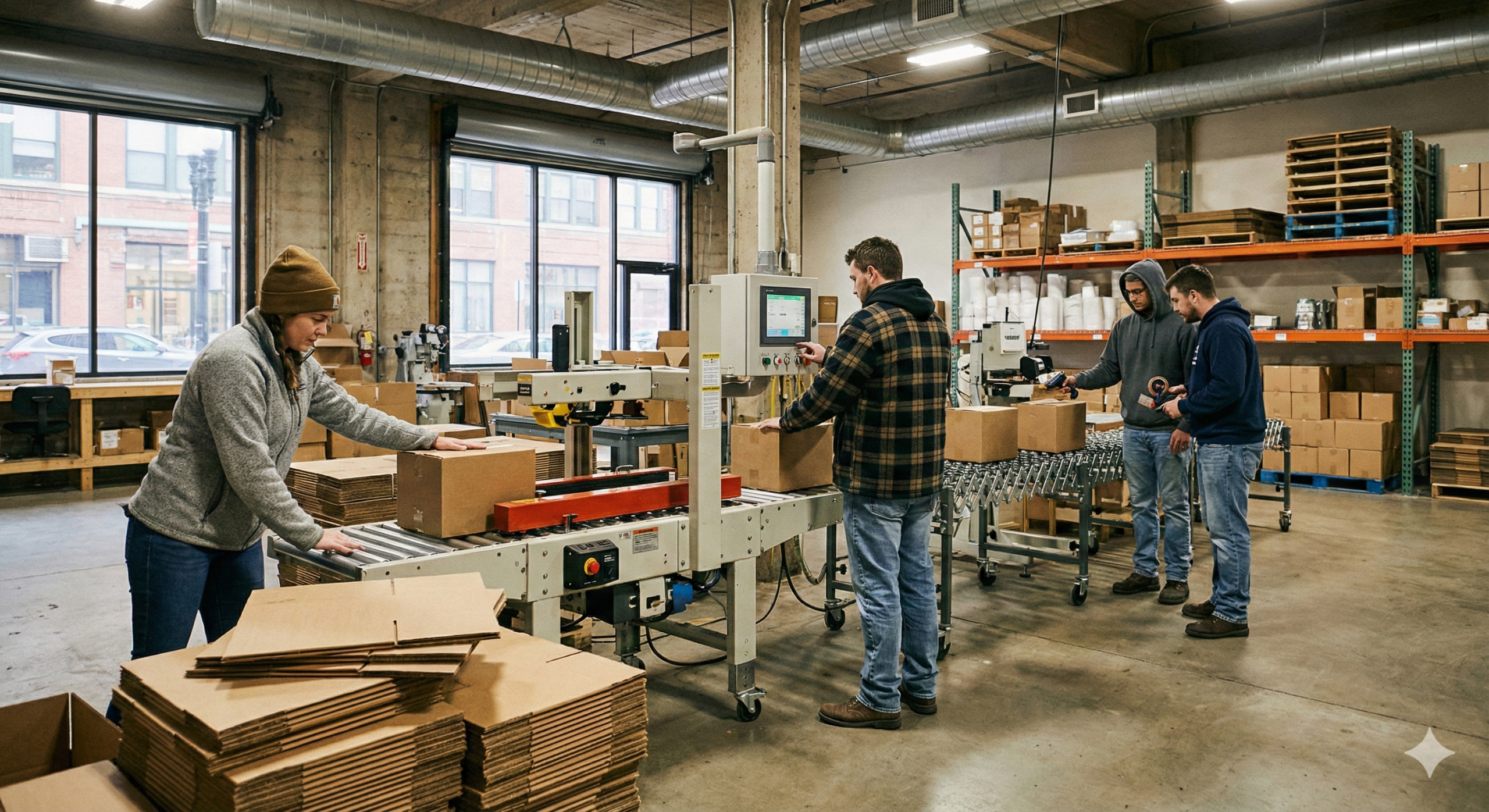
When a packaging line runs smoothly, everything clicks. Products move from station to station, boxes come together fast, and shipments go out on time. But when even one part slows down, the whole system can start falling behind. Efficiency isn’t just about saving time. It helps reduce waste, limit labor issues, and maintain consistent quality every shift.
The challenge is figuring out where those delays or problems start. It’s rarely just equipment failure or human error alone. It’s often how the setup, maintenance, or sequencing affects the overall flow. The good news is that most packaging line issues show warning signs before they grow worse. Catching those early can save time and avoid costly slowdowns. If you’re aiming to improve packaging operations and reduce downtime, the first step is spotting what’s holding your line back.
Identifying Bottlenecks on the Packaging Line
A bottleneck is any single point in your packaging line that slows down everything else. Picture water moving through a pipe. If a section narrows or clogs, pressure builds and flow slows. The same holds true for conveyors, tapers, and palletizers. When one process lags, products stack up before it or leave downstream equipment idling unnecessarily.
Common bottlenecks are easy to miss because their effects show up gradually. A case sealer that works more slowly than your filler. A labeler needing constant tweaks. A manual packing station falling behind during peak hours. These delays may seem minimal at first, but over time they result in major slowdowns and increased labor costs.
To spot potential bottlenecks:
– Watch for spots where products pile up often.
– Check if workers are paused frequently or unsure what to do next.
– Compare machine cycle times to see if one station lags behind the next.
– Listen for irregular or stop-and-go movement down the line.
Once a bottleneck is found, evaluate the setup. Would adjusting conveyor speeds help? Would adding a buffer zone or reconfiguring equipment spacing make things smoother? Even upgrading one outdated station or changing task timing at a manual post might be enough to restore better flow. A packaging line is only as fast as its slowest section, so don’t overlook the power of small layout or timing adjustments.
Maintaining Packaging Equipment Properly
Packaging equipment doesn’t only fail with sparks or flashing alerts. Issues like misaligned flaps, tape not sticking, or sensors skipping products often hint at deeper problems. That’s why planned maintenance matters. It allows for small fixes before they turn into major breakdowns.
Set a regular schedule that aligns with your shift changes. Consistent check-ins keep your team proactive instead of reactive. A quick checklist at the start and end of the day can catch small problems early enough to save hours of unplanned downtime later.
Here’s a breakdown of maintenance tasks worth encouraging across your shop floor:
1. Daily: Wipe down surfaces, remove debris from sensors, and check for loose parts.
2. Weekly: Inspect belts, degum tape heads, and test sensors for misreads.
3. Monthly: Lubricate gears and motors, check moving parts for stress or cracks, and calibrate key machines.
4. Quarterly: Deep clean machines, replace worn components, and test or update any digital control software.
Storage systems for spare parts and tools also matter. If a worn belt takes 10 minutes to locate, a small maintenance task stretches into lost production time. Keep parts organized and within reach. Also, train your team to recognize signs of wear. Odd sounds, slower cycles, or slight jams can warn of a bigger issue brewing.
A reliable packaging line isn’t just about flawless machinery. It’s about regular care. When daily tasks are built into the job, the equipment performs better, lasts longer, and creates fewer surprises.
Streamlining Workflow Across Your Packaging Line
An efficient packaging line depends almost as much on layout as it does machinery. Poor station alignment, awkward supply placement, or unclear job duties can stall even the best equipment. A streamlined workflow boosts productivity and helps avoid preventable mistakes.
Start by sketching your current line layout. Ask if supplies, tools, and materials are within arm’s reach of the people who need them. Are products moving logically from start to finish without looping back or passing hands too many times? Are travel paths between stations clear?
Quick wins that often improve line flow include:
– Keeping tape, boxes, and fillers next to their primary use point.
– Using color-coded bins or tape lines so tools stay where they belong.
– Adding rolling carts for rejected products or overflow materials.
– Spacing stations to minimize strain and allow smooth handoffs.
Beyond layout, training is just as important. Even simple mistakes can slow things down when workers don’t understand the full system. Teach each worker their task, how it fits within the whole line, and what cues to follow from upstream or downstream processes. Cross-training helps too, especially when someone is out sick or on break.
We worked with a furniture company that had a frequent hang-up near their shrink wrap tunnel. It turned out the wrap operator was outpacing upstream assembly work. By adjusting team pacing and retraining the group on optimal batch sizes, the jam disappeared—without needing to add more machines.
Building in Quality Control From Start to Finish
Speed and layout only go so far if the product leaves the line with mistakes. Rework is one of the biggest killers of efficiency. Fixing a label, resealing a box, or starting over on a shipment wastes time, material, and labor. That’s where quality control comes in.
Instead of relying only on final inspection, place quick checkpoints throughout the process. Spotting issues earlier keeps problems from becoming more expensive later.
Some tips to keep quality on point:
– Create a simple standard for each station’s output.
– Post signs with visual examples of acceptable work.
– Use quick checklists between steps like filling and sealing, or sealing and labeling.
– Calibrate printers, labelers, or glue applicators at the start of each shift.
– Have a lead worker run random 5-minute audits every hour.
None of these steps take much time, but the payoff is huge. A connected system, where each point checks the one before it, builds reliability. It also helps uncover recurring issues. If one type of liner doesn’t stay in place or a certain storage box warps over time, repeated quality checks help catch it fast.
Every time your team finds something wrong before it hits shipping, that’s time and money saved.
How Efficient Lines Keep Everything Else Easier
Keeping your packaging line running well doesn’t require a full overhaul. It just requires attention. Watch how machines run. Listen to how the line moves. Ask workers what they see every day. Small fixes build up fast.
Efficiency grows through steady action—tuning the layout, organizing supplies, keeping equipment in shape, and maintaining consistent tasks across shifts. These things don’t just move orders along quicker. They make work smoother, products better protected, and budgets easier to manage.
A better-performing packaging line starts with watching for small signs, making one improvement at a time, and staying flexible as things change. The smoother your line runs, the easier everything else gets.
Ready to optimize your production line and tackle inefficiencies head-on? Explore how Rock Valley Packaging’s solutions in industrial packaging systems can streamline your process and boost productivity. Enhance your packaging line with tailored solutions that minimize bottlenecks and maximize efficiency. Let’s make your operations seamless and future-ready.