Introduction
Factory floors move fast. From loading pallets to filling orders, there’s not a lot of room or time for error. That’s why more facilities are taking a closer look at how packaging fits into the bigger picture. Packaging may seem like a small detail, but when it’s designed smart, it cuts down on wasted space, lost inventory, and constant shuffle. It does more than just protect the product, it helps shape the flow of daily operations.
Smart packaging doesn’t mean something high-tech or over-complicated. It’s often about using better systems and materials that make moving, tracking, and storing way easier. Whether it’s locking in better fit for machines, cleaning up assembly zones, or speeding up unloading time, small improvements in packaging can create big wins. When everything runs smoother, workers stay safer, items stay protected, and timelines get tighter.
Benefits Of Smart Packaging Solutions
Factories rely on structure. A lot of that structure comes from consistency—knowing everything is where it needs to be when it needs to be there. Smart packaging helps make that happen. It brings order to the layout and takes stress off workers who deal with packing stations, shipping orders, or restocking goods.
Here’s how smart packaging solutions chip in:
– Improves Efficiency: Pre-sized cartons or automation-ready packaging eliminates extra steps during assembly and shipping. That cuts down how long crews spend repacking or taping things.
– Reduces Waste: Using packaging that fits the product or lines up with your machinery keeps scrap and filler to a minimum. That helps reduce the number of cartons, tape rolls, or foam blocks used on each job.
– Keeps Inventory Organized: With better labeling, standardized shapes, and stackable designs, items are easier to sort, store, and count. That means fewer lost parts and clearer warehouse layouts.
– Supports Safety: Carefully lined packaging helps protect sensitive parts from crushing or abrasion. In some cases, it even reduces heavy lifting or reaching, since the layout was built for easy access.
– Speeds Up Processes: Faster packaging doesn’t just help with packing itself. It impacts the whole chain, making it easier to get products out the door or moved to another section of the plant.
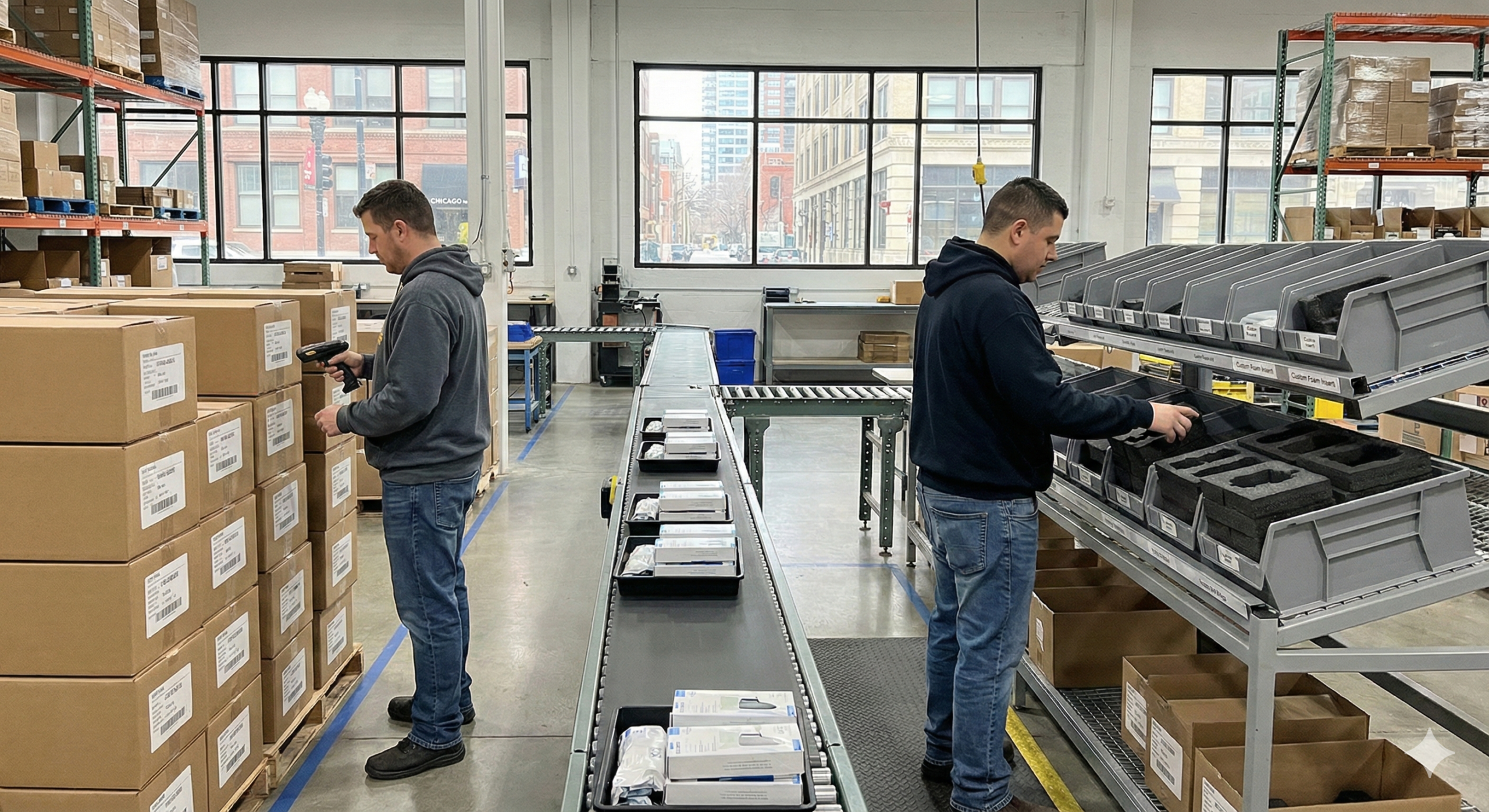
Say you’re packing auto parts that have to be handled gently but still move out quickly. Instead of relying on bubble wrap and generic boxes, smart packaging might use molded inserts that snap right into a custom case. That case then stacks on a pallet perfectly, and it’s labeled to roll through sorting with zero slowdowns. Less time spent fiddling with padding, more time loading finished goods.
These kinds of gains show up across departments. Operations see tighter workflows. Finance sees less material waste. And logistics teams aren’t fighting awkward cartons during transport. Better packaging just makes everything work together more smoothly.
Key Features Of Industrial Packaging Services
Not all industrial packaging works the same. Some setups need strength because the parts are heavy. Others need precision to avoid damage during fast movement or rough handling. This is where smart packaging design stands out. It’s built for the job and fits into your process instead of working against it.
Here’s what to look for in smarter packaging services:
– RFID or Barcoding: These help track packages from one station to the next without manual counting. That keeps inventory tight and errors low.
– Durable Materials: Corrugated trays, triple-wall boxes, and impact-resistant inserts protect parts while on the move. Using stronger materials also means the packaging lasts longer or can be reused across short loops.
– Automated Compatibility: Packaging that fits into assembly line machines speeds up production. Whether it’s tray-forming gear or robotic arms, the right design lets automation do more without stops or jams.
– Stackability: Simple, stackable packaging reduces the space needed on racks or trucks. This helps with transport and improves how crew members organize products.
– Custom Fit: Instead of forcing all orders into generic cartons, custom sizes save room by matching the size and shape of the product. That lowers void fill use and helps with safety and sorting.
For example, think of a central Illinois parts manufacturer shipping electric controls. These units are fragile and can’t shift during delivery. A smart option would be custom pulp inserts that align perfectly inside a double-wall outer box. The packaging protects delicate parts, fits tightly on pallets, and includes QR-printed labels for scan-and-go delivery at the client’s site. This setup cuts delays, limits damage, and fits within just-in-time systems.
Packaging like this isn’t just about safety. It plays a role in how smooth the whole flow operates. From cutting down handling time to supporting automation goals, smart industrial packaging keeps your process on track.
Putting Smart Packaging Into Practice
Before you roll out anything new, take a close look at how you’re packing and moving goods right now. Look for areas where crews slow down, supplies pile up, or products get damaged. Even small tweaks in sizing, labeling, or materials can make a noticeable difference without ripping up your whole workflow.
Here are a few steps that can help set things up for better packaging integration:
1. Review Your Pain Points: Walk your floor and talk with your team. Are boxes too big? Does product shift around too much? Are you reboxing orders too often?
2. Map Your Flow: Trace how products move from assembly to shipping. Find spots where material handling duplicates effort or adds time.
3. Test Materials and Sizes: Sample options that support your equipment and floor space. A good fit here means fewer bottlenecks later.
4. Don’t Skip Training: Even the best packaging solution will fail if nobody knows how to use it. Your team needs to understand what’s new and how it changes their part of the job.
5. Plan for Adjustments: Try ideas in small batches before full rollout. Adjust things like insert angles, fold styles, or label placement as needed to make the process smoother.
When workers aren’t stuck redoing tasks or figuring out which way a box goes, they’re faster and more confident. Equipment flows better too, which means fewer slowdowns across the floor. It may take trial and error at first, but once dialed in, smart packaging pays off in smooth daily routines.
Transform Your Factory Floor with Smart Packaging
You can’t always control supply costs or lead times, but you can control how your packaging works within your own space. Updating your packaging setup isn’t just about switching materials. It’s about thinking through how that packaging impacts your floor layout, team movement, and machine rhythm. With options tailored to your workflow, everything starts operating with less friction.
It’s worth taking the time to look at how packaging touches each piece of your operation. Whether it’s lowering scrap, preventing over-handling, or freeing up storage space, the right choices can remove a lot of common pain points. When your packaging works smarter, your whole factory works smarter too.
To make the most out of your operations and see tangible improvements, consider exploring industrial packaging services designed to fit seamlessly into your workflow. With the right setup, you can reduce waste, enhance efficiency, and protect your products more effectively. Rock Valley Packaging is here to help you find custom-fit solutions that work with how you ship, store, and scale.