Introduction
Recyclable packaging isn’t a trend. It’s a practical step more businesses are taking to cut back on waste and keep their shipping practices clean and efficient. Whether you’re shipping beauty products, electronics, or boxed kits, your packaging has to do two things right: protect your product and not wreck the environment. Most people think it’s tough to do both, but that’s not really true anymore. The choice of materials today is better than it was even five years ago.
As more states tighten their recycling laws and buyers expect low-waste shipping, understanding your packaging options matters. We’ve seen small changes in material choice make a big difference, both in damaged returns and waste reduction. If you’re trying to figure out how to ship smarter and feel better about what your packaging does after delivery, there are some strong recyclable options out there that don’t skimp on strength or structure.
Common Recyclable Materials For Packaging
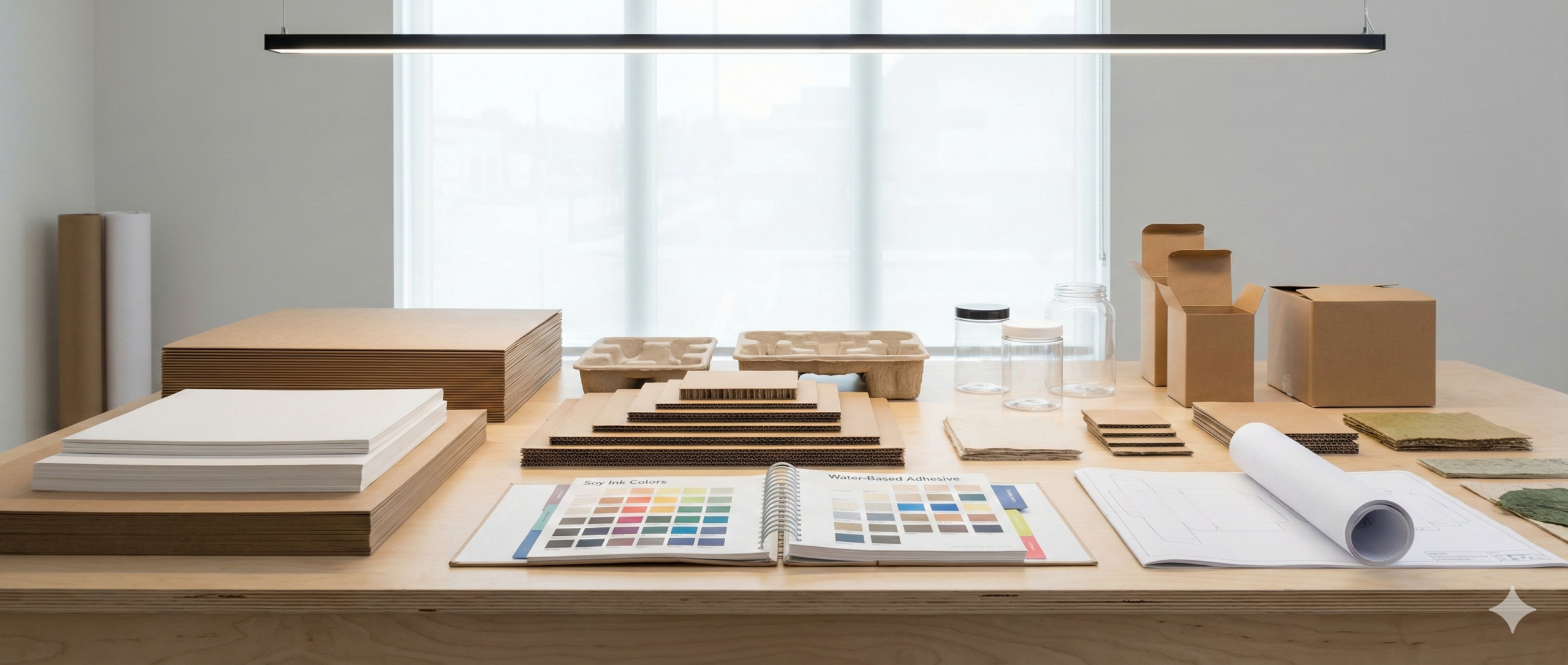
Picking the right packaging material might sound simple, but you’ve got more than one good option, especially with recyclable materials. Some offer stronger barriers for shipping protection, while others are lighter and reduce material use. What you pick depends on what you’re packing up. Here’s a quick breakdown of what’s out there and how each one performs.
1. Paperboard
This is one of the most commonly recycled packaging materials around. It’s lightweight, made from paper pulp, and typically used for things like cereal boxes or custom retail cartons. People like it because it folds easily, prints cleanly, and gets recycled at most curbside centers. It doesn’t hold up well to moisture, though, so it works best for dry items or as a secondary carton layer.
2. Corrugated Cardboard
This one’s the go-to for bulk shipping and heavy items. It’s made from a fluted inner layer and flat liner boards, which makes it durable and crush-resistant. Corrugated boxes have strong edge protectors, and can be single, double, or even triple-walled depending on what kind of rough handling you expect. Best part? It’s recyclable in most regions and can be custom-cut to fit just about anything, even oddly shaped products.
3. Recyclable Plastics
Not all plastics are created equal. Some types, like PET and HDPE, are accepted almost everywhere and keep their form better around liquids and oily products. If you’re shipping something with spill risk, like shampoos or oils, this type of recycled-certified plastic can give padding and seal. Just make sure your local recovery system supports it.
4. Biodegradable and Compostable Materials
Okay, these aren’t always recyclable in the usual bin, but they’re still worth looking at. Materials like molded pulp or starch-based foam offer padding with less guilt. They break down faster than regular plastics and work well as inner cushioning, especially for fragile or light electronics. Just be aware that compostable doesn’t always mean recyclable. Still, they’re helpful in layering up protection inside your recyclable box.
One quick example: a small brand shipping handmade candles swapped out plastic bubble wrap for molded recycled pulp trays last year. The result? Fewer complaints about dings or cracks, and way less waste stuffing in the trash bin. Little changes like this can protect both the product and the planet.
Benefits Of Using Recyclable Packaging
Switching to recyclable packaging brings more perks than most people think. It’s not just a feel-good move for the planet, it can actually improve how people see your brand and how your products hold up during shipping or storage.
First, less waste means cleaner supply chains. The less plastic or mixed materials involved, the more likely your packaging is to avoid the landfill. That sends a strong message to buyers who care about what they toss out. Some recyclable options like corrugated cardboard are reusable before they even hit the bin. They can be broken down, re-purposed, or easily processed through local recycling programs.
Then there’s the brand image piece. Packaging is often the first thing a customer touches. If it’s thoughtfully designed and made with recyclable materials, it fuels trust. People notice when your packaging lines up with the values they care about, like less waste or more natural materials. Clean graphic design printed on kraft board or earth-toned boxes can go a long way. Textured finishes, soy-based inks, and plastic-free tape are small touches that add value without flash.
Function also matters. Recyclable materials today are stronger and more versatile. You can get products that meet ASTM drop-test or compression standards, especially in corrugated builds. That means your fragile or rough-handled items can travel just fine without the extra filler. Rigid paperboard and molded pulp inserts also allow for snug fits without relying on foam.
All that effort adds up. You get fewer returns from damage, less guilt on the consumer side, and a better story to share with distributors or partners.
How To Select The Right Recyclable Packaging
There’s no one-size-fits-all when it comes to picking the right packaging for your product. You’ve got to look at the whole setup, what the product weighs, how breakable it is, how far it’s going, and how you want it to look when it lands.
Start with product basics. If your items are heavy or oddly shaped, corrugated cardboard (especially double-walled) gives the most support. If you’re shipping smaller, lightweight goods like cosmetics or subscriptions, folding cartons made from paperboard might be enough. Just make sure they’re sealed tight and handled with care during packing.
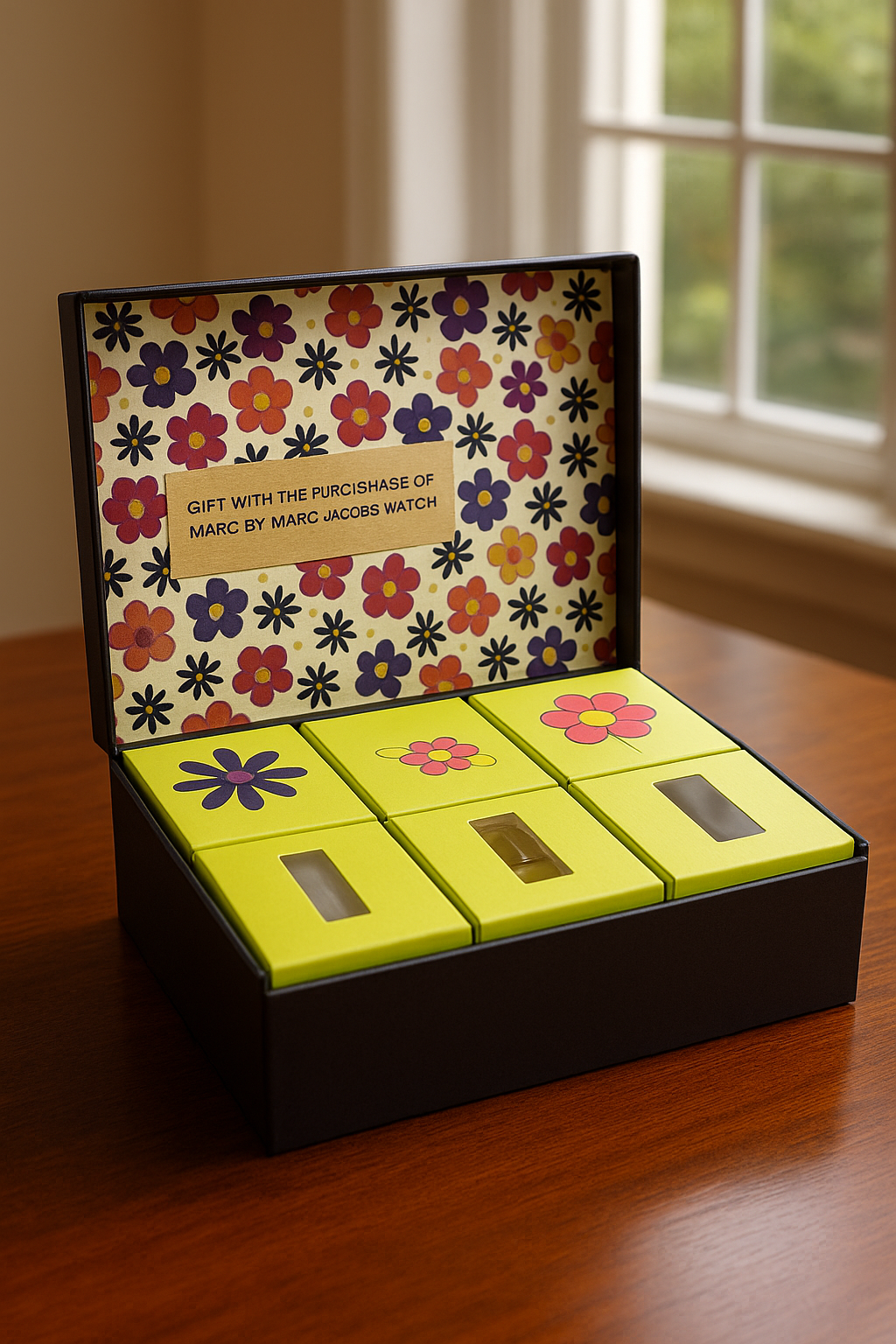
Now think about the design. Just because a box is recyclable doesn’t mean it’s structurally sound. Use inserts or trays made from recyclable pulp or corrugated to hold things in place. Keep gaps between the product and outer walls minimal so nothing shifts too much during transport. Die-cut windows or custom folds can still be used. In most cases, they won’t mess with the recyclability if done cleanly.
Recyclable doesn’t always mean easy. Know the difference between packaging that’s technically recyclable and what actually gets accepted in local programs. Avoid glossy lamination, mixed materials like plastic-coated paper, or anything with foil unless you’ve confirmed it can be separated and processed properly.
Here are a few quick things to keep in mind:
– Pair your item weight with the right board strength. Lighter items call for 200 pound test. Heavier ones might need 275 pound or higher.
– Layer with internal structures like honeycomb board or molded pulp if there’s vibration or crush risk.
– Use water-based inks and adhesives that won’t interfere with recycling.
Good packaging doesn’t just protect during shipping. It’s your last chance to make an impression before the customer connects with your product. Keep it sharp, on-brand, and actually recyclable, not just labeled as such.
Real-World Lessons From Recyclable Packaging
Many businesses have already made the switch to recyclable setups and picked up some smart tricks along the way. One small electronics brand we know ditched foam inserts and went with die-cut cardboard cradles. Not only did the product get to its destination unharmed, but they also shaved a day off packing time since the inserts folded together without glue or tape.
Sometimes, it’s not the material that’s the problem, it’s how it’s used. We’ve seen plenty of high-quality cardboard waste go unrecycled just because it’s combined with plastic windows or glossy decals. A clean separation between materials not only helps the recycling side of things but also avoids harming the product. Simple print-on-board artwork, when done smart, still carries just as much shelf appeal.
Industry insiders mention one key takeaway: don’t overthink it. Keep the number of materials low, stick to standard shapes when possible, and keep your packaging flat-packed if you’re managing cost or space on the fulfillment end. Your customers likely care just as much about unpacking ease as they do about what it’s made from.
Make A Sustainable Choice Today
If you’re looking to upgrade your packaging without losing product security, recyclable options give you a lot to work with. Whether you stick with corrugated shipping boxes, sleek paperboard retail cartons, or molded inserts made from repurposed pulp, there’s no shortage of choices that are safer for your items and easier on the planet. The key is finding materials that match the size, shape, and shipping needs of your product while keeping recyclability and cleanup simple.
Sustainable packaging doesn’t have to be a trade-off between appearance and function. And it definitely doesn’t have to be boring. With the right structure and the right design eye, you can ship well and leave less behind. Better packaging is possible. It just takes a little planning upfront and the right material match.
To make a responsible choice that aligns with both product protection and environmental care, consider integrating sustainable packaging solutions. At Rock Valley Packaging, we offer a range of sturdy, recyclable materials designed to keep your products safe while cutting down on waste. Let us help you create a package that works hard and looks good doing it.