Introduction
Supply chain delays can throw everything off—production schedules, delivery windows, customer expectations. It’s frustrating when a project comes to a halt because packaging materials didn’t show up on time. What a lot of people don’t realize is that smart material planning can help sidestep these slowdowns altogether. You don’t need to overcomplicate it. Just laying out what you’ll need ahead of time and keeping tabs on your inventory can make a big difference.
Industrial packaging supplies aren’t just boxes and tape. They’re part of the machine that keeps things moving. If you run out of one item or receive the wrong type in a pinch, it can ripple through the whole operation. That’s why a little prep up front helps avoid cramming at the last minute. With a strong plan and reliable materials, your supply chain won’t skip a beat even during the crunch times in late fall and peak holiday production.
Understanding Material Planning
Material planning basically means figuring out what packaging supplies you’ll need and when you’ll need them. It’s about making sure you’ve got the right items ready before it’s go-time. In industrial packaging, that could include corrugated cartons, divider sets, chipboard, custom-sized trays, and shipping inserts. These are all items that often need to be made to spec. Ordering last minute or not double-checking your counts is how production stalls or shipping lags start.
Here’s where it gets tricky. Many businesses think planning just means keeping a running list of what they usually use. But demand changes fast. One month you’re sending out single kitted parts, the next you’re shipping bulk pallets with heavy-duty wraps. If you don’t adjust in real-time, you risk sitting idle, freezing up your staff, or paying more to speed up replacements.
Material planning helps you:
– Avoid overordering and wasting space in storage
– Cut down on rush fees or freight delays
– Coordinate packaging runs with production timelines
– Keep supply chain partners on the same page
The key is visibility. You want to see what’s coming down the pipeline and match your packaging needs to it—not plan around a best guess or wait for someone to shout that you’re out. If your crew isn’t looping packaging into planning talks, it’s worth starting now. Having packaging ready when you need it is just as important as having the product itself.
Key Elements of Effective Material Planning
Getting material planning right comes down to a few basic moves. It doesn’t take fancy software, though that can help. Just clear and steady processes.
1. Demand Forecasting
You need some idea of what products you’ll be sending out and how often. Forecasting means paying attention to ups and downs in your orders, customer habits, and seasonal surges. For example, if you’re seeing more demand for multi-product kits in the fall, that means more custom inserts and longer lead runs. Planning based on past behavior gives you a strong starting point without guessing.
2. Inventory Management
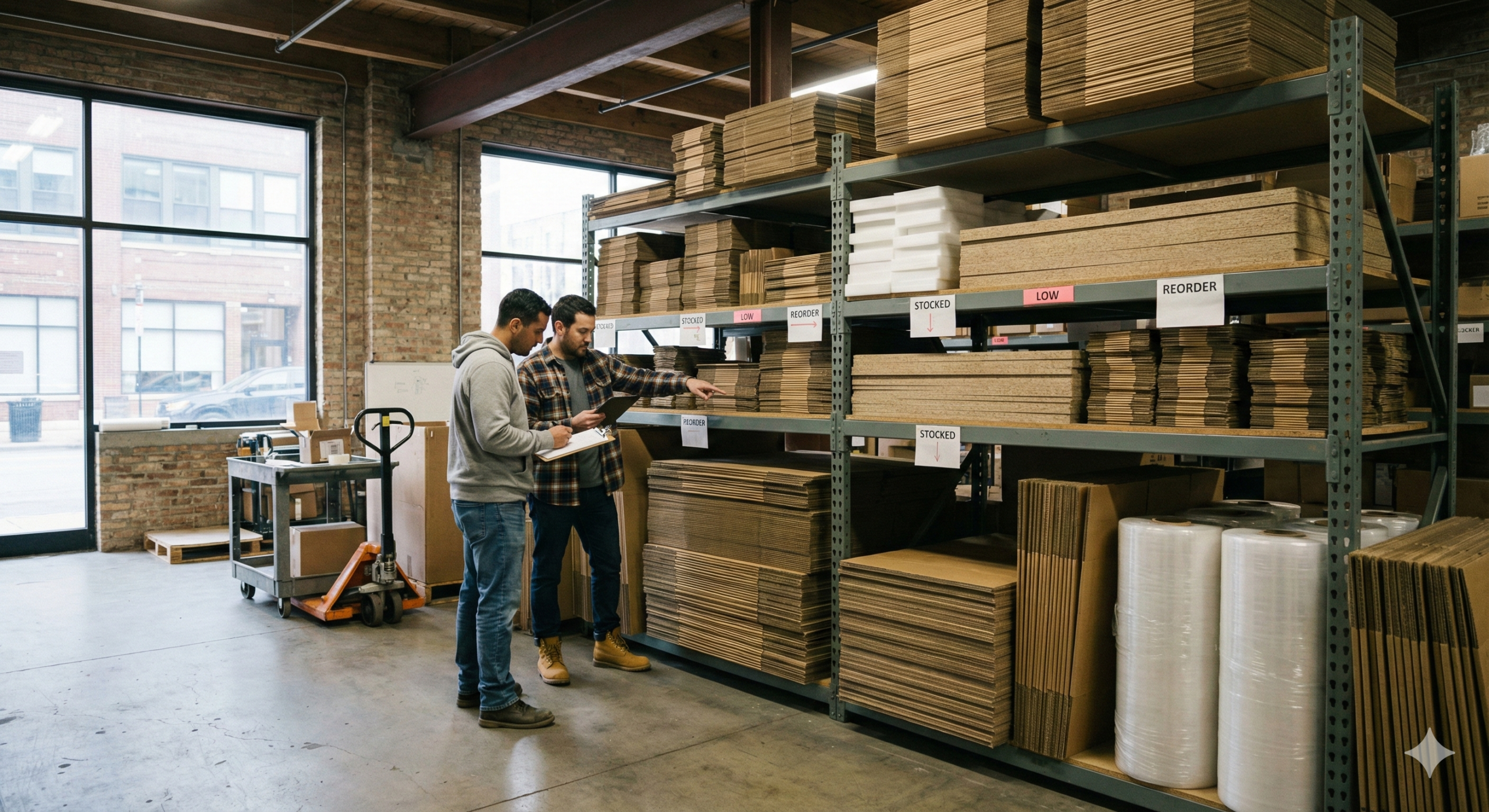
Tracking what you already have helps avoid overordering or running out. If you’re not using inventory bins, digital logs, or setup sheets, now’s the time. Know what’s leftover, what’s slow-moving, and what’s running low. Even just grouping high-turnover packaging together can help staff move faster and cut back on miscounts.
3. Supplier Coordination
Stay in touch with whoever is providing your packaging materials. That means no ghosting between orders. Share volume changes or new project timelines early so they’re ready to scale when you are. The more heads-up time your supplier gets, the more likely they’ll hit your deadlines without cutting corners.
When these three elements stay linked—your demand sensing, in-house inventory, and supplier updates—you’ll be much better set to prevent delays. And honestly, it’s a lot less stressful when you’re not operating in panic mode.
Best Practices for Preventing Supply Chain Delays
You don’t have to overhaul your entire system to run smoother. A few steady habits can keep your packaging supply chain from tripping at the worst times. Stuff like order peaks in October or shipping cutoffs in December gets a lot easier to handle when you’re not scrambling.
Here are some steps that reduce headaches:
– Keep a buffer stock
Even a small stash of your most-used packaging components can buy you time. This helps cover last-minute spikes, miscounts, or supplier hiccups. Don’t go overboard, but keep enough to manage between shipments.
– Stay in touch with suppliers
Let them know what’s coming. If you’ve got a big promotion or new product launch on the calendar, share those details. Your packaging vendor isn’t just on the receiving end. They’re part of getting your product out the door. Consistent updates help them plan better too.
– Use real-time tracking tools
Whether it’s spreadsheets with live updates or an inventory software platform, find a tracking system that shows stock levels, reorders, and usage rates. These tools help you notice when materials move faster than expected so you can place new orders before you’re empty.
– Set reorder points
Instead of guessing when it’s time to get more material, decide on set levels that trigger a reorder. This keeps things consistent and prevents those “how did we run out?” moments.
– Review supply timelines
Some kinds of packaging take longer to produce, especially when they’re customized. If your usual lead time is four weeks, don’t plan around getting things in two. Pad your schedule with a bit of breathing room.
Even if your operation runs lean, these habits give you structure. It takes the pressure off when volume changes suddenly or a supplier gets backed up. Long term, these steps help you avoid burning out your team or paying rush charges you didn’t budget for.
How Rock Valley Packaging Can Help
At its core, better planning gives you flexibility. It helps you respond instead of react. That shows up in fewer delays, smoother workflows, and fewer emails that start with “hey, we forgot to order boxes again.” Even small changes like better label management or divider sizing can save hours once everything’s in motion.
Take this example. A regional food manufacturer added two SKUs heading into fall. They waited too long to update packaging specs and had to rush-order every case. Because of the delays, only one product launched on time. The other missed window meant fewer holiday buys. The cost was more than just missed sales. It hurt trust with their co-packer, too. Now they plan materials right alongside product development to avoid that kind of slowdown.
When your packaging syncs with your production, other parts of your business start working better too. Staff spends less time adjusting orders last minute. Shipping stays predictable. And you avoid that pit-in-the-stomach feeling when pallets are half-packed because you’re short on trays.
All of that starts with planning—walking the floor, watching what runs low, and staying in front of demand instead of behind it. You can’t control shipping lanes or raw material costs. But you can build a plan that makes delays less likely and setbacks less severe. Good packaging support doesn’t slow you down. It moves with you, even when things ramp up fast.
If you’re looking to avoid last-minute headaches and get ahead of seasonal rushes, Rock Valley Packaging can support your team with smart planning and efficient solutions. From forecasting to fulfillment, we help streamline your process with reliable industrial packaging supplies built for how you actually ship and store. Let’s keep your production moving without the scramble.