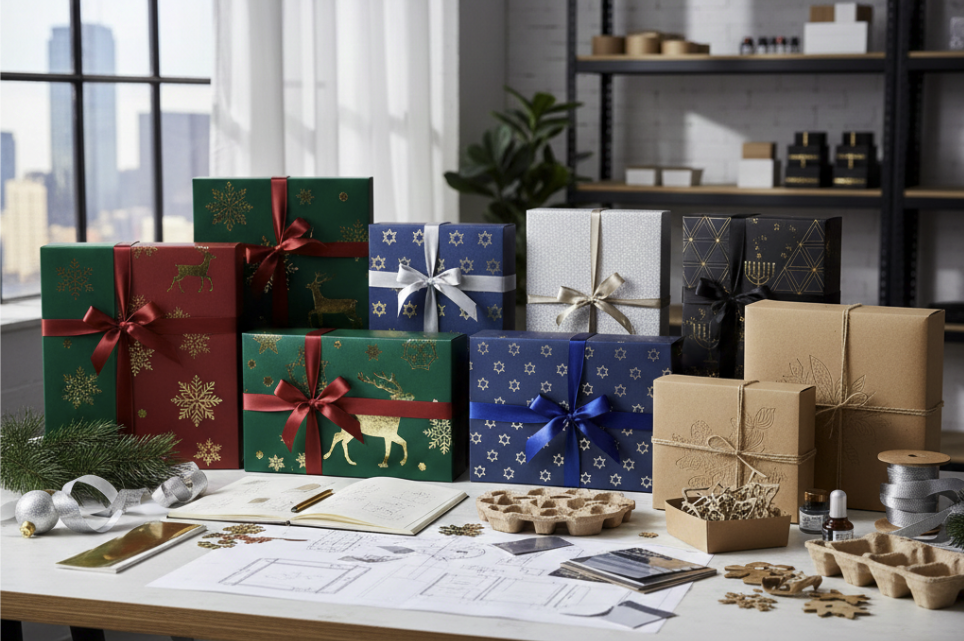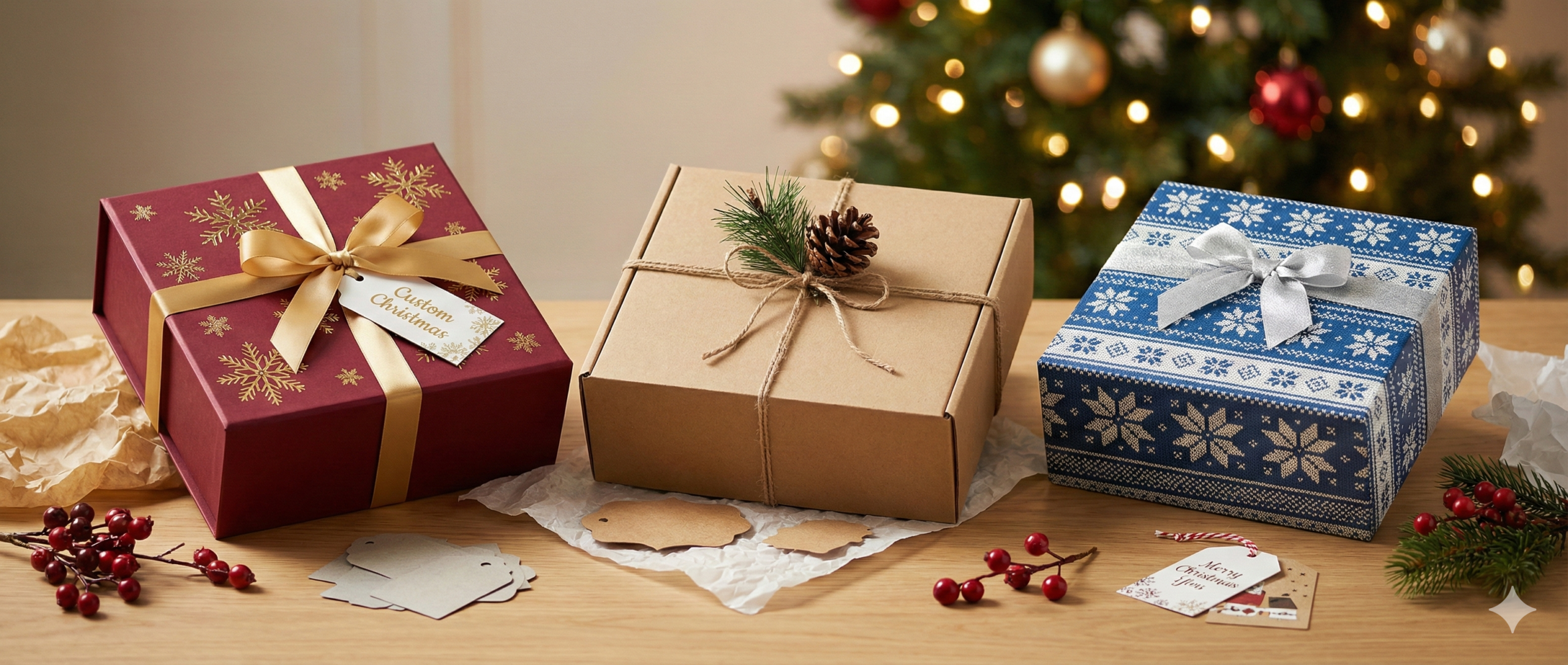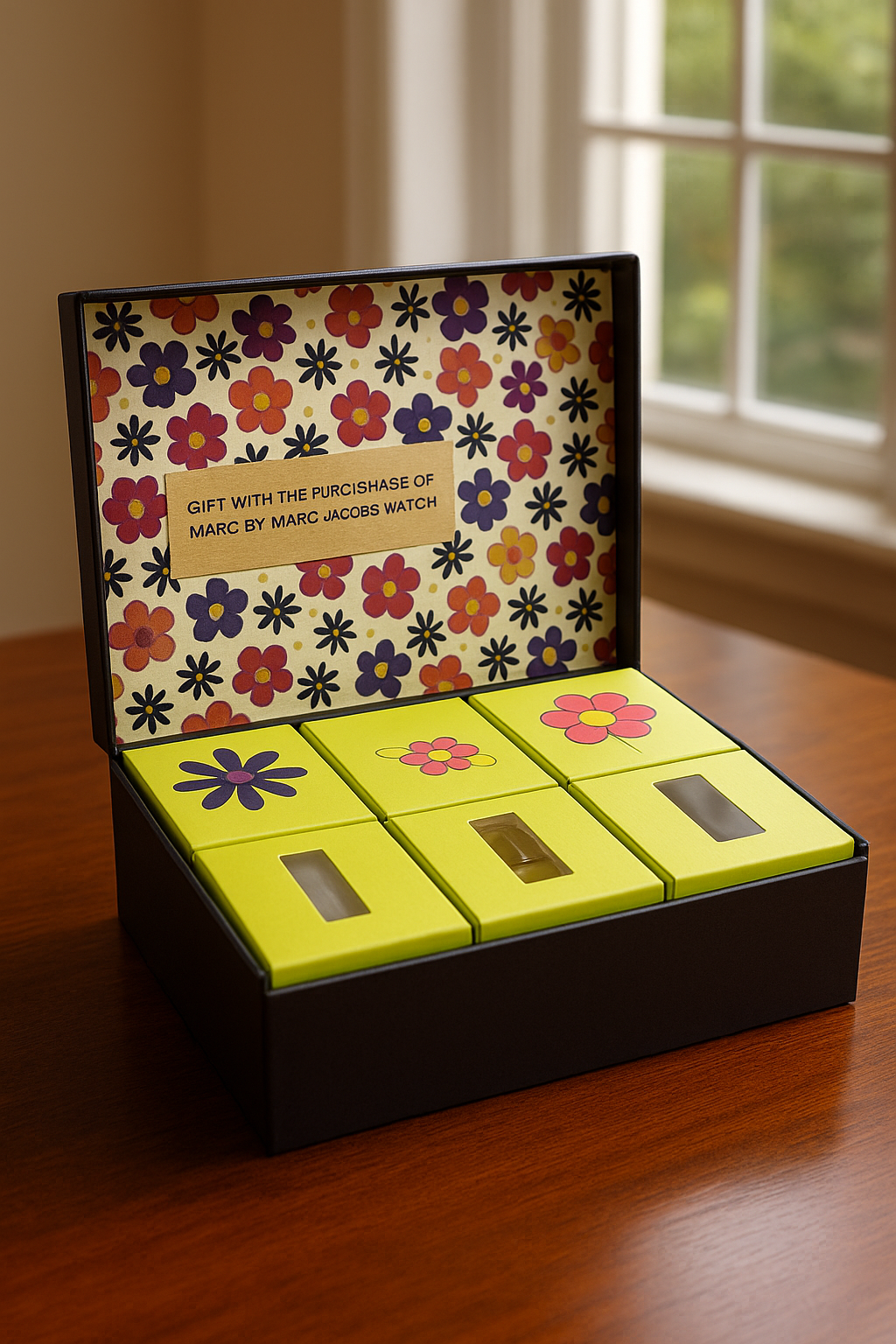
Here’s the blunt truth heading into 2026:
If your packaging is still operating on a 2020 playbook… you’re already behind.
Packaging standards have changed faster in the past three years than they did in the previous decade — new sustainability laws, shipping cost spikes, retail display changes, AI-assisted manufacturing, and consumer expectations that are way higher than before.
And the brands that don’t adjust early?
They’re the ones clogging up Reddit threads asking why their breakage rates went up, or why customers say their products “felt cheap,” or why fulfillment costs won’t stop climbing.
This guide is basically the thread I wish people read before posting those panic questions.
Let’s break down the real signs you’re not ready for 2026 — and more importantly — what to do about it before Q1 hits you like a freight train.
2026 Packaging Reality Check: What’s Actually Changing
It doesn’t matter what you sell — skincare, electronics, food kits, supplements, subscription boxes — the rules are shifting under every industry.
Here’s what brands are walking into in 2026:
1. Shipping Costs Are Rising Again
Carriers are already hinting at dimensional weight changes.
If your packaging is oversized, you’re basically burning money.
2. Sustainability is No Longer Optional
States like CA, WA, and NJ have introduced stricter recycling and labeling laws.
If your packaging isn’t easily recyclable (or clearly labeled), you’re going to hear about it from customers and regulators.
3. AI Is Reshaping Packaging Efficiency
Manufacturers are using AI to test dielines, reduce void space, and optimize pallet loads.
If your partner isn’t doing this yet, they’re already behind.
4. Shelf Competition Is Getting Brutal
A shopper makes a judgment about your brand in 0.13 seconds.
Outdated, flimsy, or generic packaging will lose every time.
5. Customer Unboxing Expectations Are Higher
TikTok and Instagram basically turned packaging into part of the product.
If your box looks “Amazon generic,” you’re missing a huge brand moment.
So if your packaging hasn’t been reviewed in a few years… yeah, this is your sign.
5 Signs Your Packaging Will Fail in 2026 (And What to Fix)
Below are the real signs (and I mean actual signs people deal with, not generic blog fluff) that your packaging isn’t ready for next year.
1. Your Boxes Are Getting Damaged More Often
This is the number-one red flag Reddit always talks about.
If you’re seeing:
- crushed corners
- split seams
- bent inserts
- tears near flaps
- customers DM’ing photos with “???”
…congrats, your packaging is under-engineered.
Fix for 2026:
Upgrade to better corrugate grades and reinforce structural weak points.
This is where custom packaging beats stock boxes every time.
(Internal link anchor: custom packaging → link to a services page)
2. Your Packaging Is Too Big for What You’re Shipping
Dimensional weight fees are the silent profit killer most founders forget about.
If your box has more air than product, it’s basically a tax.
Fix for 2026:
Switch to product-specific dielines and pressure-tested inserts that eliminate void space without sacrificing protection.
Bonus: smaller packaging = lower material costs = happier ops team.
3. Your Packaging Doesn’t Clearly Communicate Sustainability
Customers are getting smarter.
They can tell the difference between:
- recyclable
- compostable
- biodegradable
- “greenwashed marketing copy pasted from 2017”
They’ll drag brands online for pretending.
Fix for 2026:
Use:
- water-based inks
- FSC-certified board
- mono-material construction
- easy-to-understand disposal instructions
Packaging that’s recyclable needs to be obviously recyclable.
4. You Haven’t Revisited Your Branding in 2–5 Years
This one hurts people… but it’s true.
If your packaging looks like:
- it was designed during the “flat pastel” era
- it uses fonts nobody’s used since early Shopify
- competitors feel more modern
- your unboxing moment is basically “YouTube in 2014”
…your brand is aging faster than you think.
Fix for 2026:
Refresh your visual system.
You don’t need a complete overhaul — but you do need packaging that matches where your brand is today, not where it started.
This includes:
- clearer hierarchy
- modern print finishes
- simplified layouts
- smarter use of color
- consistent brand voice
A packaging redesign doesn’t just make things prettier…
It boosts conversion, trust, and retention instantly.
5. Your Packaging Partner Isn’t Helping You Innovate
If your current provider only prints boxes and ships them… sorry, but they’re not a partner — they’re a commodity vendor.
A real packaging partner helps you solve problems before they happen.
Signs you’re with the wrong one:
- slow quoting
- limited material options
- no engineering support
- long lead times
- “we’ve always done it this way” energy
The best partners offer engineering, prototyping, testing, and scalable production.
This is where industrial packaging expertise actually matters.
(Internal link anchor: industrial packaging expertise → link to relevant services/product page)
What a 2026-Ready Packaging Strategy Looks Like
Here’s a realistic checklist brands should adopt moving forward.
✔ Efficiency-First Structural Design
Shrink footprint without losing strength.
✔ Smarter Materials
Durable, recyclable, and cost-controlled.
✔ Engineering-Led Inserts
Molded pulp, corrugated structures, precision foam alternatives.
✔ Print That Actually Supports Brand Positioning
Readable, intentional, premium.
✔ Reduced Complexity
Fewer SKUs, simpler assembly, faster fulfillment.
✔ Ready for AI Optimization
Your packaging partner should be using digital testing and modeling — not guesswork.
Brands that adopt this mindset now will walk into 2026 confident, prepared, and competitive.
🗣️ Real Talk: Most Brands Wait Until Something Breaks
Literally.
Damaged shipments.
Bad reviews.
TikTok unboxings that hurt instead of help.
Shipping invoices that keep climbing.
Retail buyers asking, “Have you ever considered updating this?”
Most packaging redesigns happen only after pain.
But here’s the thing nobody tells you:
Redesigning before you’re forced to is 10× cheaper than redesigning after a failure.
Proactive > reactive.
Always.
❓ FAQ — Packaging Redesigns for 2026
1. How often should a brand update their packaging?
Every 2–4 years, depending on industry trends, shipping demands, and retail placement.
Faster if you’re scaling quickly.
2. What’s the #1 reason packaging fails during shipping?
Under-engineered structure.
Usually the box strength or the insert design is mismatched to the product weight.
3. Are sustainable materials more expensive?
Not always.
Many recyclable boards now match (or beat) the cost of traditional materials — especially when paired with better structural design.
4. How long does a professional packaging redesign take?
Anywhere from 2–10 weeks depending on complexity, prototyping needs, and printing schedules.
5. Does redesigning packaging really increase sales?
Yes — especially in retail.
Better visibility, stronger branding, and improved unboxing experiences directly influence purchase rates.
6. Can small brands afford custom packaging?
Absolutely.
Modern tooling, digital print options, and modular dielines make custom far more accessible than it used to be.
🚀 Heading Into 2026? Get Your Packaging in Order Now.
If you’re reading this thinking, “Yeah… this is describing us,” then you’re not alone — and you’re not stuck.
A smarter packaging redesign can solve:
- rising shipping costs
- damaged shipments
- sustainability expectations
- outdated branding
- inefficient packing lines
- poor customer perception
And it doesn’t have to be complicated.
Rock Valley Packaging helps brands engineer packaging that looks better, ships safer, and performs smarter — without the usual headaches.
If you want 2026 to be the year your packaging finally works as hard as your product does, now is the time to start.