Introduction
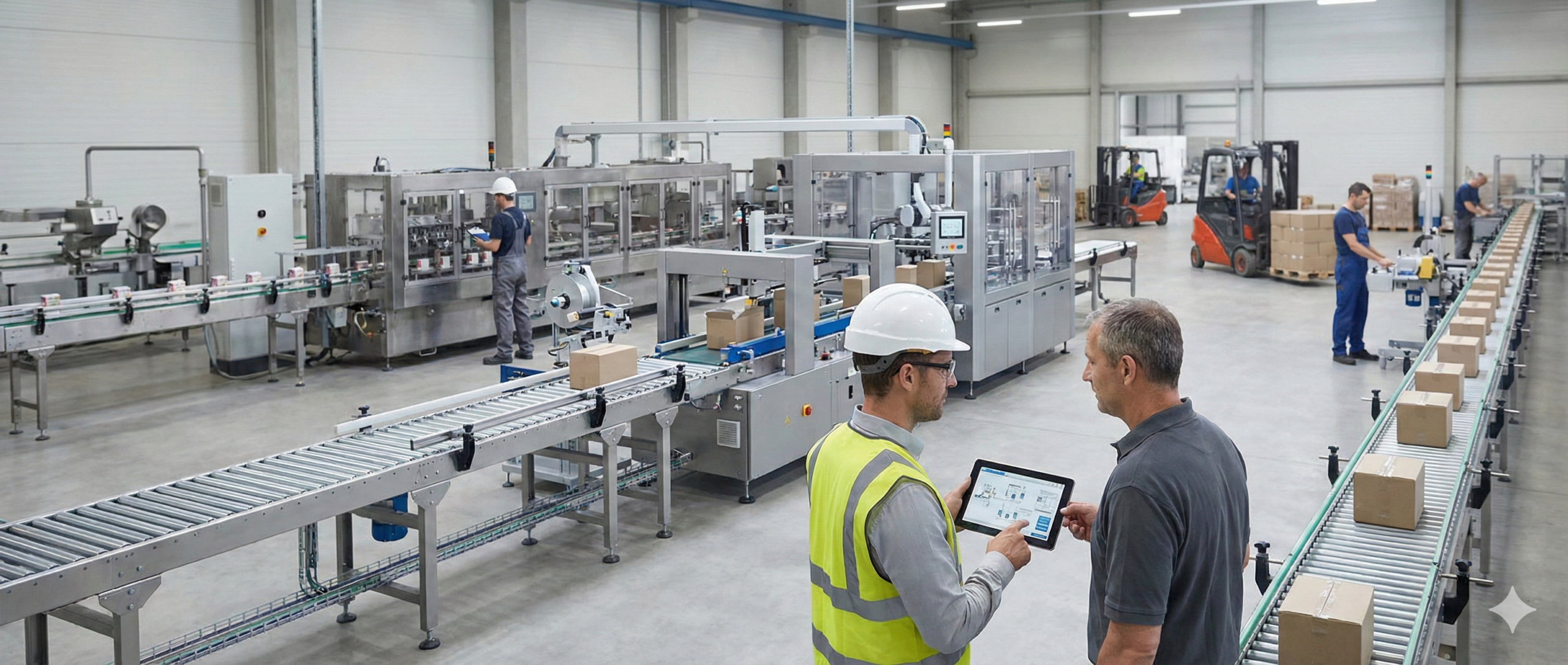
Bringing a new packaging system into an existing production line sounds simple on paper, but it’s easier said than done. Between moving parts, shift schedules, and tight delivery expectations, even one misstep can stall an entire line. That’s why packaging system integration needs to be planned with care. The goal shouldn’t just be better efficiency, it’s better efficiency without interrupted output.
Smooth packaging line integration doesn’t just happen. It takes a solid plan and the right timing to make that transition seamless. Whether you’re working with food, hardware, or printed materials, the same challenge comes up: how do you upgrade or add equipment without holding up your entire workflow? Below, we break down the core benefits of integration and the steps that help avoid slowdowns during the changeover process.
Benefits Of Packaging System Integration
When setup is done right, integrating packaging systems can solve more than speed issues. It’s about connecting every step in the process so it flows better, cuts waste, and lowers the risk of errors. Here’s what teams typically see after successful integration:
– Fewer people touching each product. Automated or semi-automated equipment can take care of folding, taping, labeling, or loading cartons.
– Easier handoff between machines. No more bottlenecks from product piling up between the filler and the taper.
– Smarter use of labor. Operators become supervisors instead of doing everything by hand.
– More accurate tracking. When labelers or scanners can talk to your inventory software, your records get clearer.
– Overall savings. Tighter processes mean fewer breakdowns and fewer wasted hours.
One snack company saw a major improvement when they added a case erector at the start of their line. Before that, every carton was assembled and taped by hand. That job shifted to a machine that pre-built boxes and fed them right to the conveyor automatically. It freed their crew to focus on product quality and speed. The change reduced delays, cut rejection rates, and shortened labor hours.
Cutting hand-offs also cuts mistakes. If products or packed boxes need to be moved between steps manually, integration can trim out that lag. Watch how long each task takes. Where do workers pause? Where are machines waiting? That’s usually your opportunity to streamline.
Steps To Integrate Packaging Systems Seamlessly
Adding a new packaging system isn’t just a plug-it-in operation. You need to align each install step with your real production schedule. Rushing setup with no plan is a main cause of downtime and workplace confusion.
1. Assess Your Current Process
Document your workflow. From the moment products arrive to the time they leave sealed and stacked. Track every start-stop moment, hand-off, and repeat error. Most people miss small delays that add up. Take time to walk the floor and see where things slow down.
2. Identify Where Integration Adds Value
Find the steps where machines could do work faster, more safely, or with fewer errors. It may be case forming, box taping, or check-weighing. Not every part of the line needs a change. Focus on the ones that create slowdowns for others.
3. Create A Realistic Integration Plan
Work with your engineer or integrator to make sure the new equipment fits your product type, size, and flow rate. Match it with your current machines. Design a floor layout that fits well, avoids tight corners, and keeps the line moving without backlogs.
4. Go In Phases
Don’t take down your whole line for one upgrade. Add one machine at a time — especially if full stops would cost your team too much. Schedule testing during slower shifts or weekends. This gives your staff a chance to learn and adjust in smaller steps.
Doing things step by step gives you more control. It helps your team catch issues early and fix them before they grow. When systems get added gradually, the changeover feels natural and easier to manage.
Best Practices To Avoid Production Delays
Even with smart planning, delays can happen. Things go sideways when people don’t have the information or support they need. Clear communication and a flexible mindset go a long way.
Start by making sure everyone across departments is on the same page. Long before the new system shows up, explain what’s changing. Bring in operators, facilities staff, quality control, and the IT crew if software is involved. Walk them through the new layout or flow so they can picture how their tasks will shift. When only the leads know the plan, it slows everyone else down.
Allow room in your schedule for surprises. Even with tight planning, things can take longer — a shipment arrives late, wiring needs more work, or software needs troubleshooting. If your schedule is too tight, these small issues can ripple through the week. Buffer time keeps things calm and lets you stay on track.
Training can’t be skipped. People need time to get used to new tools. If you push for full production too soon, it adds avoidable risk. Set up short training rounds during slower hours. Break things down by department. Operators, leads, and tech staff each need different training. If software’s involved, make quick-reference sheets or screenshots so users know where to look. A little effort upfront saves time fixing mistakes later.
To keep your rollout smooth:
– Make a list of who owns what during each rollout step
– Host short check-ins before every integration phase begins
– Run hands-on training during off-hours wherever possible
– Ask for feedback during the process. Ask what’s clear and what’s not
– Track speed and accuracy stats while the new system is coming online
Following this process might not remove every stress point, but it gives your team the tools they need to handle change without losing pace.
Let Integration Move You Forward
Replacing or upgrading parts of your packaging line shouldn’t bring everything to a stop. With the right prep, a thoughtful rollout, and upfront communication, your team can make changes without missing a beat. The teams that take time to map out their steps tend to move through transitions with fewer bumps. Machines perform better when matched to real needs, and people perform better when they know what’s coming.
Packaging setups aren’t one-size-fits-all. Some plants need a simple labeler install. Others are walking through full end-of-line replacements over months. But the goal is the same: create flow, reduce wasted motion, and ditch the obstacles that slow you down. If you keep that in focus, your upgrades will feel like improvements, not interruptions.
System integration isn’t just about new machines. It’s about freeing up your people to monitor and manage, not just react. It’s about keeping production lines active, not paused. With smart planning and the right support, upgrades can fuel better output and give your crew more breathing room.
To make sure your upgrades go off without a hitch, choose solutions that fit your specific production needs. At Rock Valley Packaging, we can guide you through every step of packaging system integration to keep your operations running smoothly. From selecting the right equipment to ensuring seamless transitions, our expertise can help you maintain optimal efficiency. Reach out today to explore how integration can enhance your packaging line without the headaches.