Introduction
Folding box designs are often overlooked when it comes to solving storage challenges, but they make a big impact. Whether you’re managing a warehouse full of consumer packaged goods or prepping for seasonal inventory changes, space is a premium. That’s where foldable carton boxes come in. When designed right, they store flat when not in use, stack efficiently when assembled, and help reduce the clutter that eats up value in storage areas.
These boxes aren’t just flexible, they’re smart. Industries across the board use them to gain better control over inventory flow, minimize packing time, and improve floor layout efficiency. As we head into the fall season, many operations are cleaning up stockrooms, prepping end-of-year shipments, and making room for Q4 rush. Having a box that compactly folds down without losing structural strength gives businesses flexibility without sacrificing performance. Let’s break down how these boxes are made and why they’re worth the switch.
Key Features of Foldable Carton Boxes
What makes a foldable carton box actually work? A few things come together: material strength, smart folds, and thoughtful sizing. It all starts with the board itself. Most are made from SBS (solid bleached sulfate) or kraft-based paperboard. These materials balance print quality with strength. They can also be recycled or sourced from responsibly managed forests if sustainability is a concern. While not as rugged as corrugated, a well-built foldable box can still hold surprising weight.
The folding design is where things get interesting. Engineers use dielines, which are precise cut and crease templates, to lay out tabs, flaps, and lock-in features that fold in a specific sequence. When folded correctly, a flat sheet turns into a rigid container without needing glue or tape. This gives multi-use value, especially for internal transfers or display packaging that might need to be unpacked and refilled. Some folds lock in place to stay secure, while others are made for quick assembly. It depends on the product and how it ships or stacks.
Customization adds even more value. Brands can tweak everything from box measurements to how they open, the print treatments, and the surface finishes. Some folds reinforce edges to hold heavier contents. Others include coatings that can handle exposure to freezers or humid warehouse environments. That versatility makes foldable carton boxes a good fit across a range of sectors, from skincare kits to bulk snack packs.
Benefits of Using Foldable Carton Boxes for Storage
Whether you’re working out of a regional distribution center or a small backroom, chances are good that every square foot counts. Foldable carton boxes take up less space when they’re not in use and make your stored goods easier to manage once packed. They solve a bunch of common problems faced during seasonal surges, limited shelving, or on-the-fly inventory shifts.
Here are a few standout perks:
1. Less dead space: Flat boxes free up shelf and floor areas until they’re needed.
2. Faster setup: Pre-scored folds allow teams to assemble boxes quickly, which helps a lot during rushes or when managing temp labor.
3. Return-ready: Lightweight and easy to fold down again, these boxes smooth out reverse logistics for returned or restocked items.
4. Smarter shipping: Unassembled boxes take up less volume en route from production to your site, cutting down freight costs.
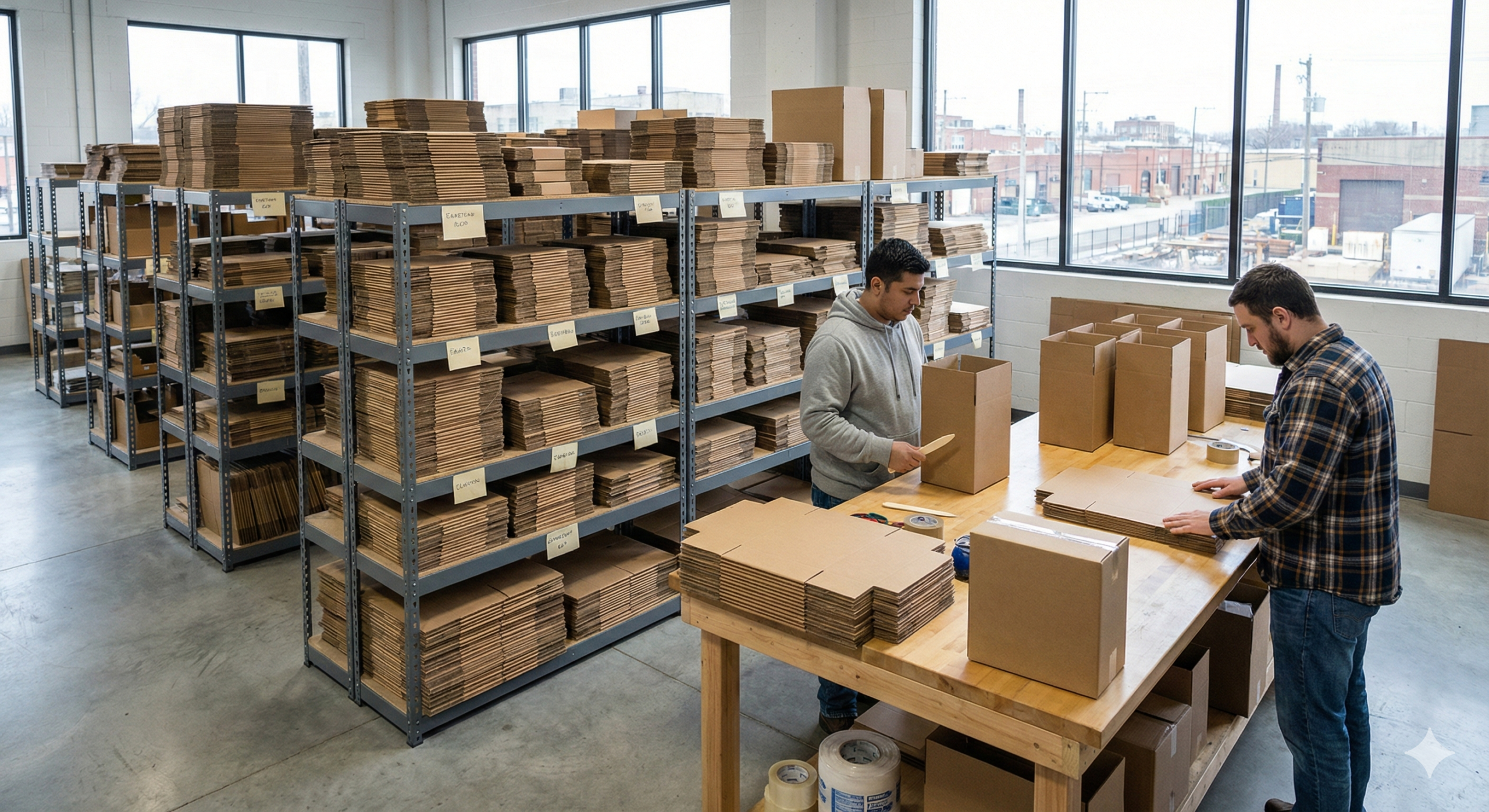
A mid-sized CPG brand in the Midwest recently switched from pre-built packaging to flat folding cartons for their seasonal bundles. Instead of dedicating pallet after pallet to assembled kits, the team stacked flat boxes on vertical shelving and packed them just-in-time. It freed up floor space and saved them weeks of dead stock sitting around. That kind of efficiency might feel small, but it quickly adds up when you’re managing dozens of SKUs in tight quarters.
Best Practices for Effective Storage Management
Good box design gives you a head start, but how you use foldable cartons day-to-day gives you the real edge. Folding a box properly matters a lot more than most teams realize. If folds aren’t aligned with the score lines or the tabs are bent with too much force, the result is weakened integrity. Do that enough times, and the box won’t stack correctly, or it may break down faster than expected.
Set up a standard folding method and walk each worker through the proper sequence. Repeat steps help with training and reduce the chance of skewed folds or waste. When packing, don’t rush the assembly phase. A little care upfront keeps issues down the line.
Once folded, cartons should be grouped for easy access. Store them flat and sorted by size or product type. Use vertical storage racks to save floor space and help staff grab what they need without digging through piles. When possible, preload assembled boxes near high-flow zones and keep formats used most often at waist height or in easy reach.
Labeling helps speed things up too. Color codes, printed barcodes, or simple naming stickers help warehouse workers ID the right box quickly. For operations using QR scanners or pick-to-light systems, double check that your box bundles match the codes used across your system. This prevents grabbing the wrong package under pressure.
Another tip worth mentioning: rotate your stock of even unopened or unused folded boxes. Over time, pressure and humidity can affect board condition. If boxes sit for too long stacked under high weight or in a humid room, they may bulge or warp. Use a basic log that tracks when a batch of boxes arrived or was added to storage. Even small tweaks like that help keep your packing operation smooth and prevent waste.
Why Foldable Boxes Just Make Storage Easier
Foldable carton boxes give warehouses and fulfillment centers real tools to save space, reduce waste, and work with more flexibility. When plans change fast or seasonal surges hit, it’s helpful to have packaging that adjusts right along with demands. Their flat-packed nature works well for operations that shift SKUs often or need to optimize storage between heavy order months.
We’ve seen this in companies handling multi-SKU orders, promotional launches, or kit builds. One Illinois warehouse used foldable cartons to respond to sudden changes in a product’s display layout just days before shipping. Instead of rushing reorders or paying expedited fees, the team had boxes folded, printed, and staged for final load-out in record time. The flexibility to adapt saved both space and budget, while giving the warehouse team way more control over timing.
With smart stacking, clear labeling, and a process for folding and handling boxes correctly, it’s easier to avoid damage or mispicks. That makes a difference not just in storage layout but in keeping customers happy too. Foldable cartons may feel simple, but they solve a real problem facing storage-heavy businesses: how to do more with less space. When storage counts, they’re a smart place to start.
Looking to streamline your packaging without sacrificing performance? See how a thoughtful upgrade like a foldable carton box can help you cut down on storage space and boost handling speed. Rock Valley Packaging is here to build smarter solutions around the way you work.