Introduction
Receiving damaged shipping materials can start a chain reaction of setbacks. Whether it results in delayed deliveries, broken goods, or unhappy customers, even one bad shipment can mess with your operations. That’s why using dependable bulk shaipping supplies is more than just a supply chain box to check off. It’s directly tied to keeping your products safe and your team stress-free.
When your shipping materials arrive wrecked, a quick response makes all the difference. It’s easy to brush it off if the damage looks minor, but that can lead to deeper issues later on. Taking action right away helps protect your products, your budget, and your reputation. Here are some smart steps that help you respond effectively and avoid repeat problems down the line.
Immediate Actions to Take When Receiving Damaged Shipping Materials
When freight or parcels arrive and something’s not right, it’s best to spot it early. This step is all about being thorough and acting with urgency. The longer you wait, the harder it becomes to sort out what went wrong and who’s responsible.
Here’s what you should do right away:
1. Inspect the materials immediately
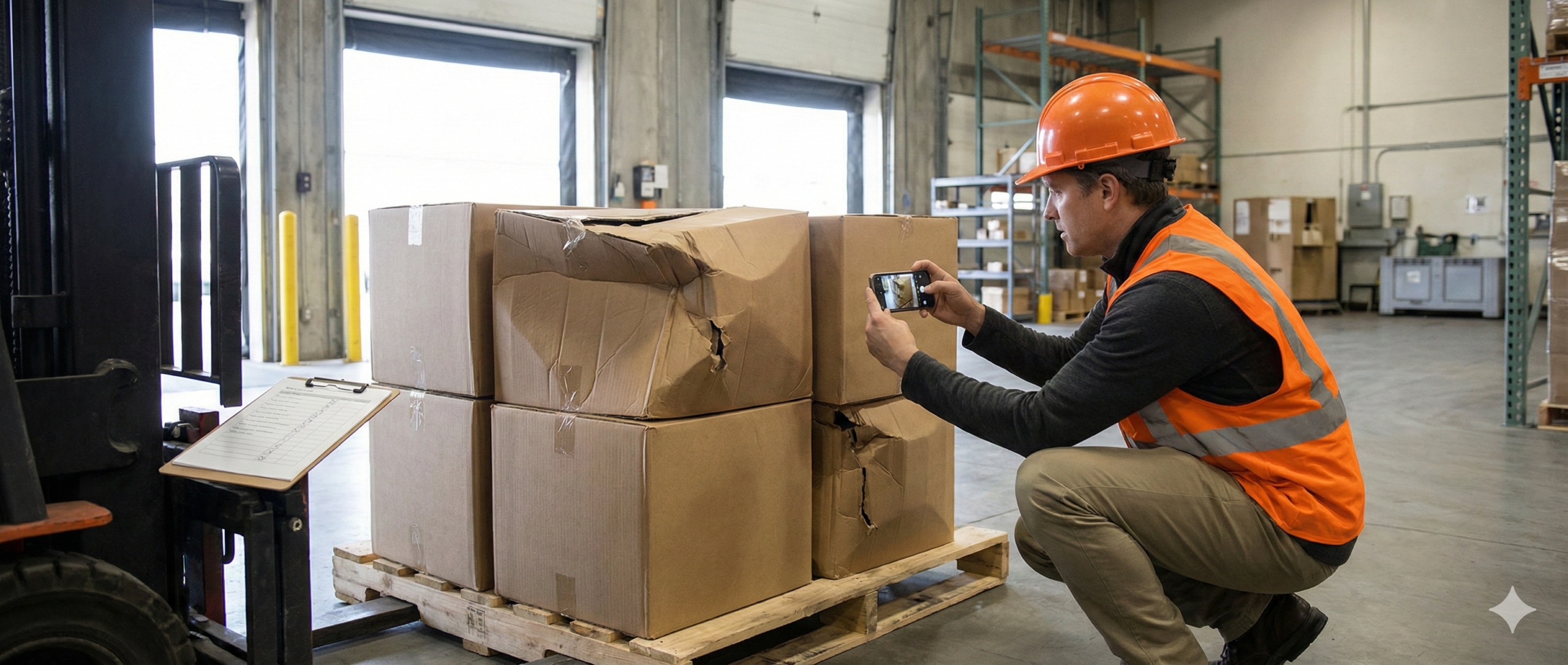
Before signing off on delivery, check everything closely. Even if the product inside looks fine, watch for signs like crushed corners, rips, loose straps, water stains, or punctures on the packaging. These often point to deeper problems.
2. Document everything
Use your phone to take detailed pictures from all angles. Capture every tear, dent, or collapse. Write down key details, including the date, time, packaging condition, and which products were affected. This documentation helps support your case when contacting the supplier or carrier.
3. Separate the damaged goods from the good ones
This step keeps leaking items or broken parts from spreading damage or confusing your inventory. Keeping them separate also helps during the review process later.
4. Contact the supplier or carrier right away
File a report or claim as soon as possible. The faster you report it, the better. Your photos and notes will go a long way in showing what happened and pushing forward a replacement or refund.
5. Hold on to the packaging
Even if it looks rough, don’t throw it out yet. Some suppliers or shippers may want to inspect it or have it sent back. It’s often useful in identifying where the issue occurred.
A common problem we’ve seen is that some businesses receive pallets that look fine on the surface, only to find damage hidden underneath. The damage might go unnoticed until team members unpack the lower layers. By then, it’s usually too late to file a claim. Quick and careful inspections, no matter how busy things get, can save hours of trouble later.
Assessing the Impact of the Damage
Once you’ve reacted to the immediate situation, it’s time to dig deeper. Not every bit of packaging damage affects the product. Some issues are purely cosmetic, while others can impact quality, safety, or usefulness.
To evaluate the situation properly, ask yourself:
– Is the product damaged or only the outer box?
– Could the damage cause safety problems, malfunction, or customer complaints?
– How much of the shipment is affected—just one box or the whole pallet?
– Will this delay delivery or impact your team’s ability to meet deadlines?
If it’s just the surface packaging, you might still be able to use or ship the products as planned. But crushed edges, bent parts, or anything leaking means it’s time to pause. Products like that risk hurting your brand, your logistic timeline, or even customer trust.
Take a moment to consider patterns. If the same supplier sends shipments with consistent issues, or if the same kind of product keeps arriving damaged, step back and review. Often, the real problem shows up only when you connect the dots over time.
Preventative Measures for Future Shipments
After handling the damage and reviewing what was affected, think about how to prevent it next time. Every issue in shipping costs time and money. It can also damage the relationship between you and your customers. A few smart changes can make a big difference over the long term.
Start by reviewing your suppliers. If damage is starting to become routine, you may want to revisit who’s providing your bulk shipping supplies and how the packaging process is handled. Reliable companies use strong, well-tested materials that hold up through loading, transit, and storage.
Next, create a clear inspection and quality control process. It doesn’t have to be hard to follow—just consistent and easy to repeat.
Some ideas to get started:
– Make a checklist your team uses for every delivery
– Assign team members to monitor and handle unpackaging
– Mark and date all shipments once received
– Track even minor damages—these notes add up to useful trends
Staff training is also very important. Team members need to know what to look for, when to raise the flag, and why early attention matters. Sometimes, even one missed flaw can cause damage later during movement or storage. Use real incidents from past shipments to reinforce lessons. People tend to remember actual stories better than written rules.
One business learned that most of their shipping delays were linked to shrink-wrapped bundles. These bundles often covered up crushed cartons underneath. After adding an inspection point specifically for those items, error rates dropped significantly. That small change stopped a recurring problem.
Partnering With Rock Valley Packaging for Reliable Bulk Shipping Supplies
Your shipping process should give you confidence, not concerns. That confidence starts with using materials built to last through tough handling and long days in transit. Bulk shipping supplies should go beyond plain boxes. From custom-fit dividers and padding to structurally sound containers, packaging plays a direct role in how products arrive and how your brand is perceived.
Rock Valley Packaging understands the demands of your supply chain and works hard to remove frustration from packaging issues. We focus on consistency, durability, and service. If you’ve been spending too much time checking incoming supplies or dealing with frequent damages, it’s probably time for an upgrade. A strong packaging partner can help you reduce these bumps and keep things moving on schedule.
Having open communication with your supplier levels up your entire process. If something does go wrong, you need someone who listens and responds with solutions—not excuses.
We design packaging that fits your actual needs. Whether that’s helping you prevent known shipping risks or making sure your product is as protected as possible right out of the box, we’re ready to support your goals.
Keep Your Shipping Supplies in Top Shape
Shipping damage isn’t just about materials—it’s about keeping your entire flow moving without interruption. A damaged crate here or a broken seal there might not seem like a big deal, but when they add up, they can stress your timeline, disappoint your customers, and tie up your team.
Staying alert at every step, from delivery to inspection to storage, helps protect your inventory and reputation. Train your eyes and train your team to check deliveries with care. Being proactive and choosing strong, consistent materials will always pay off.
Solid bulk shipping supplies help more than just your product. They keep your operations smooth, your clients satisfied, and your team focused on what matters. Success starts with recognizing how small packaging choices affect the bigger picture. Keep your standards high and your process sharp, and avoid issues before they slow you down.
For peace of mind with your deliveries, take a closer look at how Rock Valley Packaging can help with reliable bulk shipping supplies. The right packaging doesn’t just protect what’s inside—it helps your whole operation run smoother. Let us know how we can support your team with smart, custom-fit solutions.